
Published: March 2020 | Last Updated:November 2025
© Copyright 2026, Reddog Consulting Group.

Over 300,000 sellers expanded globally using Amazon’s tools in 2024, highlighting just how powerful this marketplace has become for business growth. Selling on Amazon opens doors to millions of customers while offering built-in logistics and robust analytics. Whether you run a small business or aim to expand worldwide, mastering Amazon Marketplace gives you a clear path to scale without massive overhead or complex infrastructure.
| Point | Details |
|---|---|
| Global Expansion Opportunities | Amazon Marketplace enables sellers to access new international markets, reducing reliance on saturated local markets and simplifying cross-border sales. |
| Business Model Selection | Choosing between Fulfillment by Amazon (FBA) and Fulfillment by Merchant (FBM) affects inventory control, operational complexity, and branding opportunities. |
| Strategic Preparation is Crucial | Success on Amazon requires understanding marketplace dynamics, cultural nuances, and having a solid internationalization strategy for effective global selling. |
| Diversification of Sales Channels | Sellers should consider multi-channel strategies to enhance market reach and mitigate risks associated with dependence on a single platform. |
Expanding to Amazon Marketplace isn’t just about listing products—it’s a strategic gateway to unprecedented global growth. Read our detailed guide on understanding Amazon Marketplace to grasp the full potential of this platform.
According to cross-border eCommerce research, U.S. sellers gain significant advantages by leveraging Amazon’s global marketplaces. The opportunities are substantial:
Amazon’s Build International Listings tool transforms complex global expansion into a streamlined process. Sellers can automatically:
For small and medium-sized businesses, this means breaking geographical barriers becomes less intimidating. With built-in translation and logistics support, entering markets like Europe and Australia becomes a strategic opportunity rather than a logistical challenge.
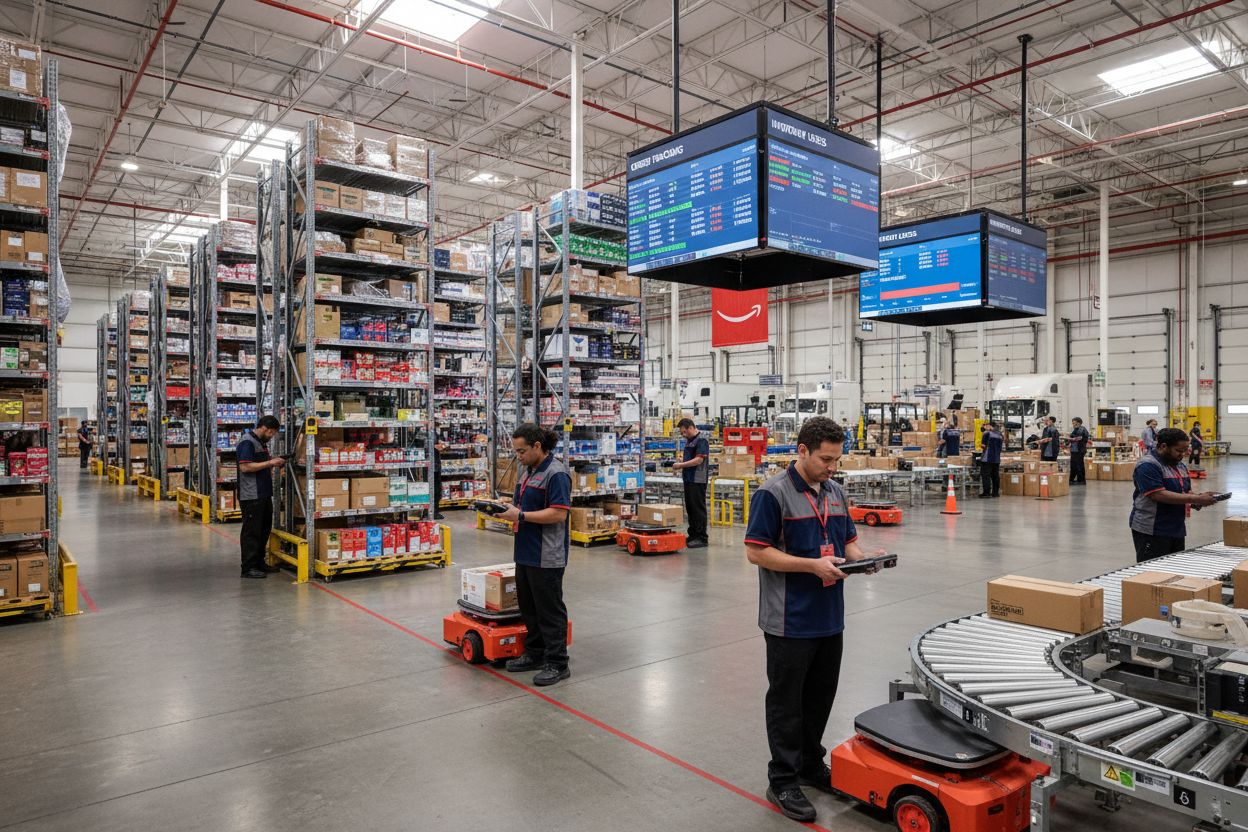 Sellers can scale operations without massive upfront investments in international infrastructure.
The key is preparation. Understanding marketplace nuances, cultural preferences, and having a robust internationalization strategy will determine your success. Amazon provides tools—but strategic execution is what transforms potential into measurable growth.
Selecting the appropriate business model on Amazon can dramatically impact your success. Learn more about scaling your Amazon revenue with our FBA strategies to make an informed decision.
According to marketplace research, Amazon offers two primary fulfillment approaches: Fulfillment by Amazon (FBA) and **Fulfillment by Merchant (FBM)
Here’s a comparison of FBA and FBM business models on Amazon:
| Feature | Fulfillment by Amazon (FBA) | Fulfillment by Merchant (FBM) |
|---|---|---|
| Inventory Control | Amazon managed | Seller managed |
| Shipping & Handling | Amazon handles | Seller handles |
| Customer Service | Amazon support | Seller provides |
| Fulfillment Fees | Higher per-item | Lower, but manual |
| Prime Eligibility | Yes | No (unless SFP) |
| Scalability | Highly scalable | Depends on seller |
| Branding Control | Limited | Complete control |
| **. Each model presents unique advantages: |
When considering account types, sellers must strategically evaluate their options. According to channel research, Amazon provides two primary account structures:
The key is matching your business model with your operational capabilities, sales volume, and long-term growth strategy.
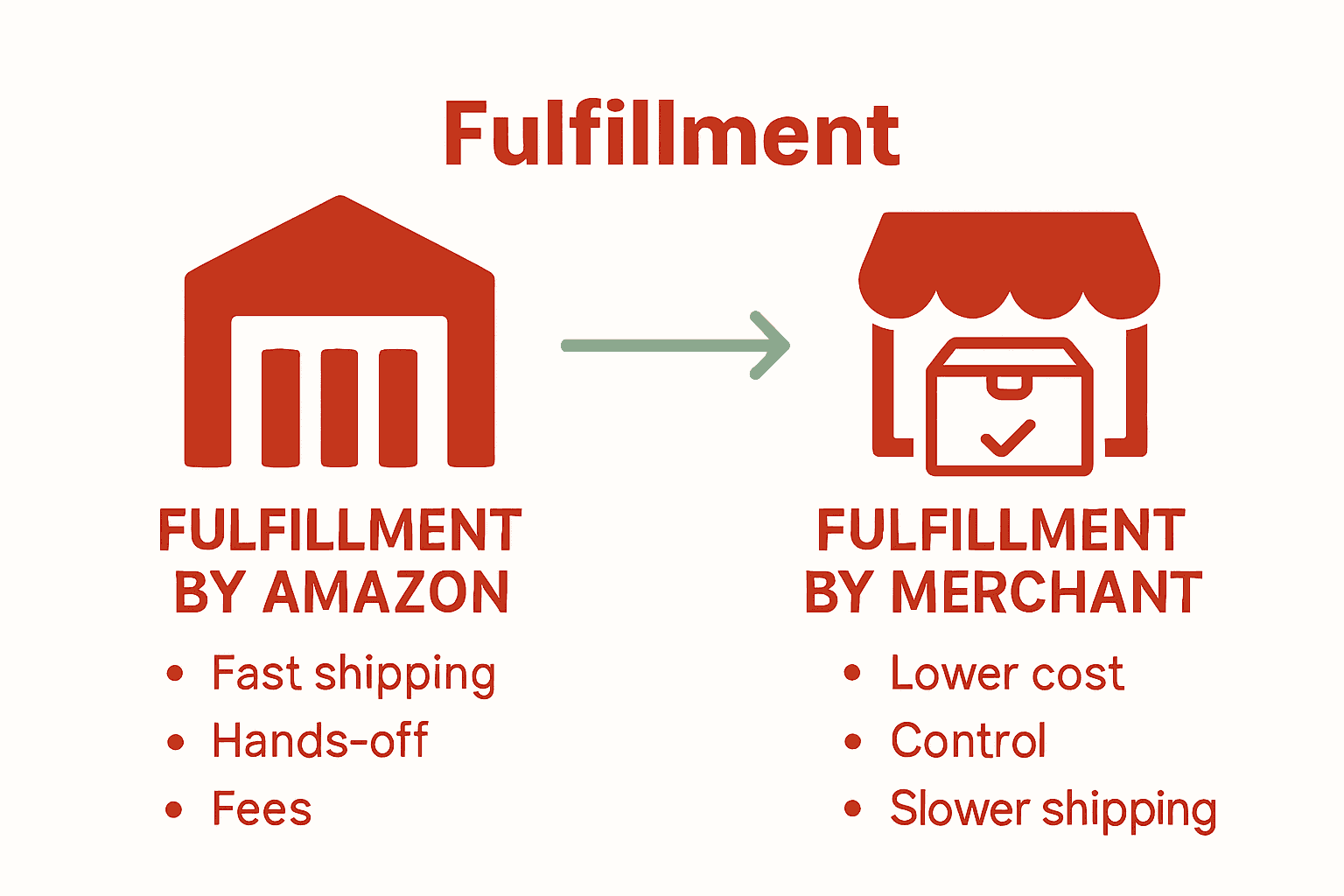 Understanding the nuanced differences between FBA, FBM, professional, and individual accounts will help you optimize your Amazon selling approach.
Learn more about navigating Seller Central for maximum profitability and unlock your marketplace potential.
Independent sellers on Amazon enjoy remarkable financial opportunities. According to recent marketplace research, sellers retain approximately 85% of their sale price after referral fees—a significantly higher percentage compared to traditional wholesale channels.
Key advantages of selling on Amazon include:
The platform’s impact extends beyond individual sellers. Research indicates Amazon Marketplace has supported over 2 million U.S. jobs through tools like Multi-Channel Fulfillment, which assisted more than 300,000 sellers in 2024.
Amazon provides sellers with unique advantages:
For small and medium-sized businesses, Amazon represents more than a sales channel—it’s a comprehensive ecosystem designed to simplify growth, reduce operational complexities, and provide scalable solutions for ambitious entrepreneurs willing to leverage its powerful platform.
While Amazon offers tremendous opportunities, sellers must navigate several critical challenges. Explore strategies for managing Amazon seller complexities to mitigate potential risks.
According to marketplace research, Fulfillment by Amazon (FBA) fees have experienced dramatic increases:
These escalating costs can significantly impact profit margins, especially for smaller sellers operating on thin margins.
International selling presents complex hurdles:
Successful global expansion requires more than translation—it demands cultural adaptation and precise market understanding.
Bad international listings can trigger negative consequences like poor customer reviews, reduced visibility, and diminished conversion rates. Sellers must invest in high-quality localization, understand regional consumer preferences, and develop robust cross-border logistics strategies.
Navigating Amazon’s marketplace isn’t just about listing products—it’s about strategic preparation, continuous learning, and adaptability. While obstacles exist, informed sellers can transform challenges into opportunities for sustainable growth.
Discover the latest Amazon selling strategies for 2025 and stay ahead in the competitive marketplace landscape.
According to a comprehensive 2023 study, seller diversification is becoming a critical strategy for online businesses. The research revealed fascinating insights:
Emerging platforms are challenging Amazon’s dominance:
Not all marketplaces are created equal. Strategic platform selection matters more than ever.
Walmart, for instance, is aggressively expanding its marketplace services. They now provide:
Sellers are no longer platform-dependent. The modern e-commerce landscape demands strategic multi-channel approaches that maximize reach, minimize risk, and optimize revenue potential. Success now means being adaptable, understanding each platform’s unique strengths, and creating a resilient selling strategy.
Expanding to Amazon Marketplace can be overwhelming. You need to juggle FBA fees, global logistics, localization, and platform competition. The article shows that scaling successfully requires more than just listing products; it takes an expert strategy tailored to changing costs and complex international demands. Many businesses struggle with choosing the right business model, controlling fulfillment costs and building effective omnichannel strategies. These pitfalls can hold you back from growth, profits, and peace of mind.

Let Reddog Group transform those challenges into your advantage. Our Digital & Business Consulting Services are designed for small and medium-sized businesses that want measurable results across Amazon and beyond. We have managed over 50 brands and 30,000 SKUs. If you are ready to scale, drive revenue, and simplify marketplace expansion, visit Reddog Group to connect with proven experts. Take action now to turn Amazon’s complexity into your competitive edge.
Expanding to Amazon Marketplace allows sellers to access new international customer bases, reduce dependence on saturated domestic markets, leverage advanced logistics tools, and simplify compliance with tax and customs regulations.
Amazon’s Build International Listings tool helps sellers sync product prices, translate product listings, transfer customer reviews, and increase visibility in international markets, making global expansion less daunting.
FBA allows Amazon to handle storage, shipping, and customer service, while FBM gives sellers complete control over inventory and shipping, with potentially lower costs but higher operational complexity.
Sellers face challenges such as rising fulfillment fees, managing international shipping and customs, localization requirements, and the need for strategic preparation to adapt to marketplace dynamics.
Leave a comment: